Socialis Studio
  • Home
  • AP Government and Politics
  • AP World History Modern
  • Civics
  • Credit Recovery
  • Economics
  • Philosophy
  • US History
  • Home
  • AP Government and Politics
  • AP World History Modern
  • Civics
  • Credit Recovery
  • Economics
  • Philosophy
  • US History
Search by typing & pressing enter

YOUR CART

Unit 1: Principles of Economics

Unit 1: Quizlet
Unit 1 is covered by chapters 1, 2, and 3 of the textbook we use.
Picture
Picture

What is economics?

Picture
Far from being just about money, economics is actually the science of decision making. You have to make dozens, if not hundreds or thousands, of decisions every day. You may not even realize how many decisions you are making - our brains are so used to it.

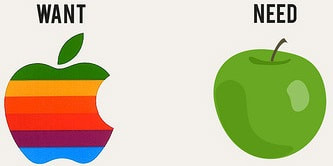
First, before we can make any decisions, we have to evaluate what our needs and wants are. Needs are those items necessary for survival. An apple is a need - it's food, without which we die. Your Apple iPhone is a want. You may think otherwise, but you won't die without it. You merely don't want to live without it. We are always looking to satisfy these needs and wants. This presents a problem in our society: the problem of scarcity. Scarcity means that we always have unlimited wants and we will never be able to satisfy them because our resources are limited. We only have so much time, energy, money, whatever it is, to meet all our wants. I may want to eat every candy, but I only have so much stomach space - stomach space and hunger is scarce for all my wants!

However, we attempt to meet our needs and wants by buying or acquiring goods and services.

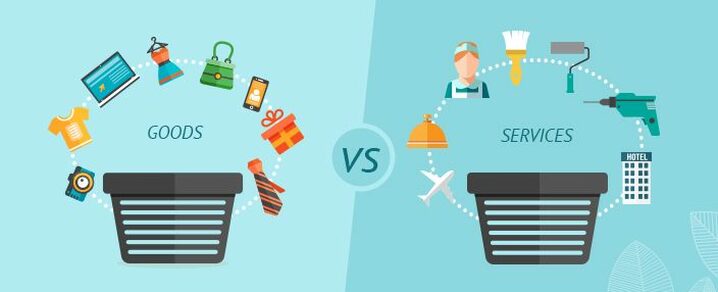
Goods and services, such as a TV, going out to eat, or visiting the doctor, supply us with all our needs and wants. Those goods and services come from people putting together factors of production to make things to sell to us or for us.
Picture
Picture
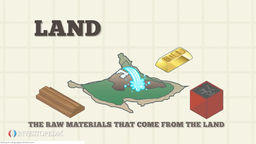
There are three factors of production required (and a magical fourth to put it all together). The first is land. Land is any natural resource, such as cotton, wool, wood, water. It comes from the Earth and would be there without us and without our interference; it occurs naturally.

Picture
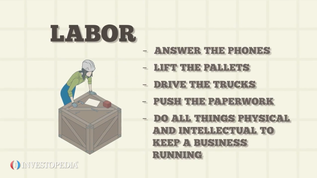
​The second is labor, which is work that is done by a person, often for pay. If you have a job, you go to provide your labor in some form or another. If it's physical work, it's definitely labor, but intellectual work is also labor. Filling out forms and paperwork, calculating numbers, talking to clients to buy or sell items; these are all forms of labor. 

Picture
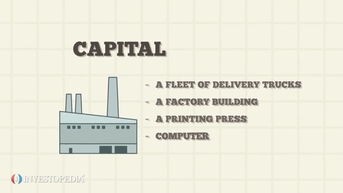
Finally, you need capital. Capital can be all kinds of different things. Human capital is the knowledge and skills we bring, such as the computer engineer who knew the skills and knowledge to write the code for this website. Physical capital is the buildings and tools used to create goods and services. The computer programmer works in a building, the servers are housed in a larger building or warehouse, a hammer was needed to build those buildings, and money was used to invest in the company in it's early stages to buy the buildings and pay the employees. All of those are examples of physical capital. 

Picture
You might be wondering about that fourth magical factor; that would be the entrepreneur. Entrepreneurs take the three factors of production and use them to develop and sell new goods or services, putting it all together.

If it were up to us alone, we would buy all the goods and services we could ever want to fully satisfy not just our needs but all our wants. However, we don't have the resources to do so, even if our wants are unlimited. This gets us to the basic problem of economics: scarcity. Scarcity is going to drive all our decisions. While entrepreneurs can create a seemingly unlimited number of things we want to have or buy, we will never have enough time and money to acquire all of them. This forces us to make decisions, calculating what our best option is or which item we want the most.

Decision Making

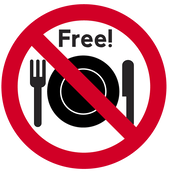
Every time we make a decision, we are making an economic choice. But we are also using some of our hidden brain power to weigh multiple variables, often without every realizing it. By making a choice, we are accepting the trade-offs that come with our decision. There are always trade-offs. This is what is known as TANSTAAFL in economics - there a'int no such thing as a free lunch. For every decision we make, there are costs.
Picture
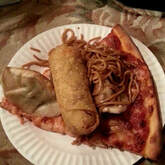
PictureAssume that this monstrosity isn't an option.
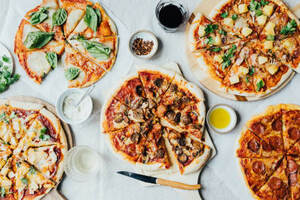
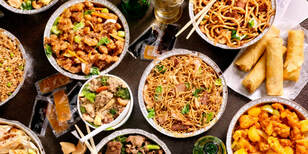
Did you want to get pizza for lunch? Well, by filling up on pizza, it prevents you from being able to fill up on Chinese food, a cost. You cannot simultaneously do both things, we only have so many resources (in this case, stomach space). Did you want to go see the sunset at the beach? Or do you want to view the sunset over the mountains? We cannot be in two places at once. Do you want to spend your afternoon napping or do you want to catch the 12:30 movie? Can't do both because our time is limited. Want to buy your favorite singer's latest album or would you rather pick up drive-thru on the way home? You cannot easily pick both since our money is limited. Every one of those decisions has a series of trade-offs as well.

Picture
Let's take the pizza vs. Chinese food example.

If we take the pizza, we'll enjoy a cheesy, spicy pizza pie but we'll likely suffer heartburn from the tomato sauce. However, if we go with Chinese food, we'll have an unctuous meal that satisfies all our senses but we may feel overly full and bloated from the soy-heavy food. Those costs and benefits are the trade-offs we make for our decision. We get cheesy and spicy but we give up being heartburn free for the pizza, while we get rich, delicious Chinese food but give up feeling comfortably full since we will overeat the salty Chinese food.

Picture
There is also something called the opportunity cost to every decision - the best alternative we give up when we make a decision. If we choose pizza, we are giving up our best alternative: Chinese food, and vice versa. So while the choices themselves represent either our choice or our opportunity cost, the factors that we weigh when deciding showcase the trade-offs that we will be making. We can also look at the trade-offs for a marginal or absolute decision. An absolute decision is the choice to fill up on pizza or Chinese food. You cannot fill up on both (and we're assuming you can't eat some pizza and some Chinese food, you had to make a choice, remember?). When eating the pizza or Chinese food, however, you make many marginal choices. What are the costs and benefits of one more slice or another scoop of fried rice. Each decision has an added cost and benefit: being more filled but also potential more over-filled.

Picture
Everyone makes decisions like this, even suppliers of goods and services.

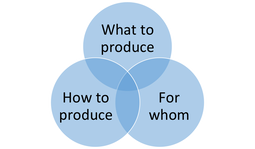
To help them make those decisions, producers ask themselves 3 questions:
1. What to produce?
2. How to produce it?
3. For whom to produce?

Picture
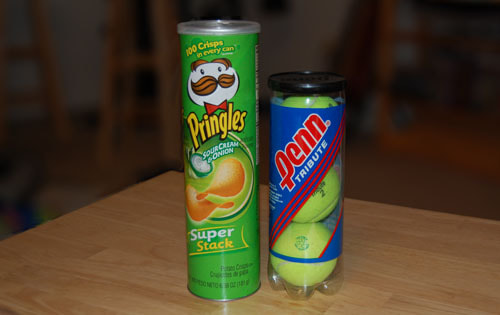
Answering these three questions will help them decide what they will be doing. If they decide to make tennis balls by hiring people to put them together for adults, they will make different decisions then someone who decided to make potato chips with machines for teens and kids (even if they can use similar packaging).
These decisions are all being examined and look at by us millions of times in our lives - our brain just tends to do most of the work on auto-pilot. Let's delve into what that process looks like, though.

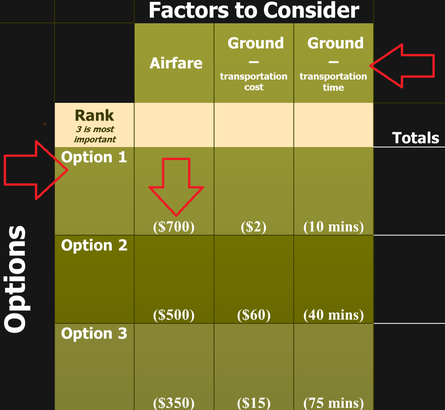
Suppose I decide to take a flight to Washington D.C. and there are different options that have different factors, depending on my choice. I can take three different flight options for different prices: option 1 at $700, option 2 at $500, or option 3 at $350. Those three flights take me to different airports around D.C., however, so I will need to take extra transportation once I land. The first option will take 10 minutes to get me to my hotel for $2, the second will take 40 minutes and cost $60, while the third option will take 75 minutes and cost $15. I assume you've already decided in your head which option is best, but here's what our brain is doing.
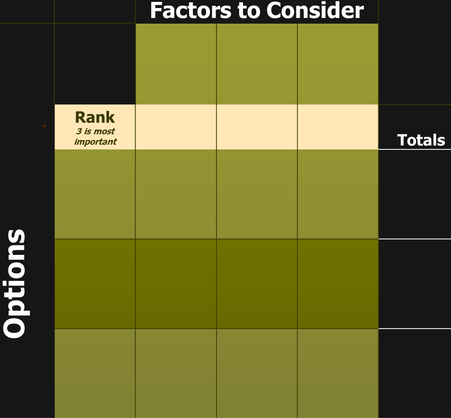
First, our brain is setting up a decision making chart like this one below, that allows us to weigh the costs and benefits of each factor. You'll notice it has a spot to place the options on the left, a spot to weigh different factors at spot, and a spot for ranking the different factors.
Picture
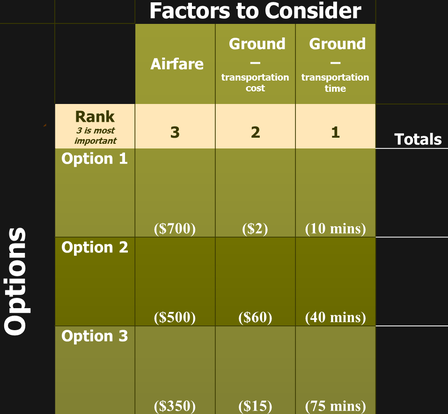
Filling in what we know, we can list the 3 options down the left and the factors on the top below. I also wrote each factor in the parentheses in the corresponding box to make it easier to fill in. Our factors are the airfare, the ground transportation cost, and the transportation time.
Picture
Next, below, we will assign a value to each factor. Since we have three factors, we need to rank them using 1, 2, and 3, with 3 being our most important. I assume most of us value our money over our time, so we'll put airfare as our top ranked factor since those values are so much higher than the ground transportation costs. That will leave the ground transportation time as our lowest ranked factor, ranked 1.
Picture
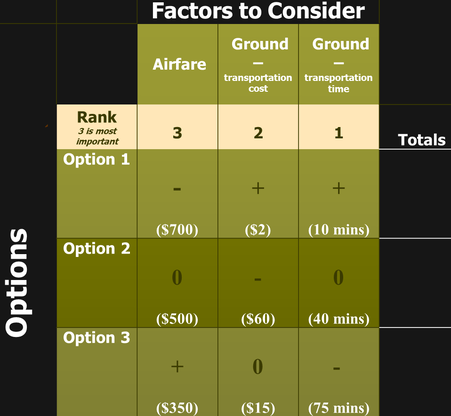
From here, we assign values to each option going down in each column, either a plus (+), a zero (0), or a minus (-). The plus signifies that it is our better choice, meaning it saves us the most resources, either time or money. Since we have 3 options, we can assign one plus, one zero, and one minus for each option per column.
Picture
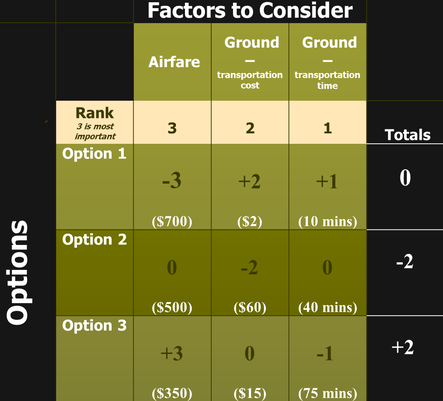
Our last step is to bring down the ranking numbers in each column. So if we take the first column as an example, we bring down the 3 to get a minus 3, a zero (3 x 0 = 0), and a plus 3. Doing that for every column gets us the chart we have below. If we then add up every row, we get a total value for each option.
Picture
This chart tells us that option 3 is our best option when we consider all 3 factors, ranked by most important to least important. Our worst option is option 2.

This makes option 1 our opportunity cost when we choose our best option, option 3. Option 1 is our best alternative option after we have selected our top choice of option 3.

Option 3 comes with a benefit: it has cheap airfare; but option 3 also comes with two costs: it isn't the cheapest ground transportation cost and it has the worst transportation time. Despite this, it is our best option based on how we weighted the 3 factors.

Different Economies

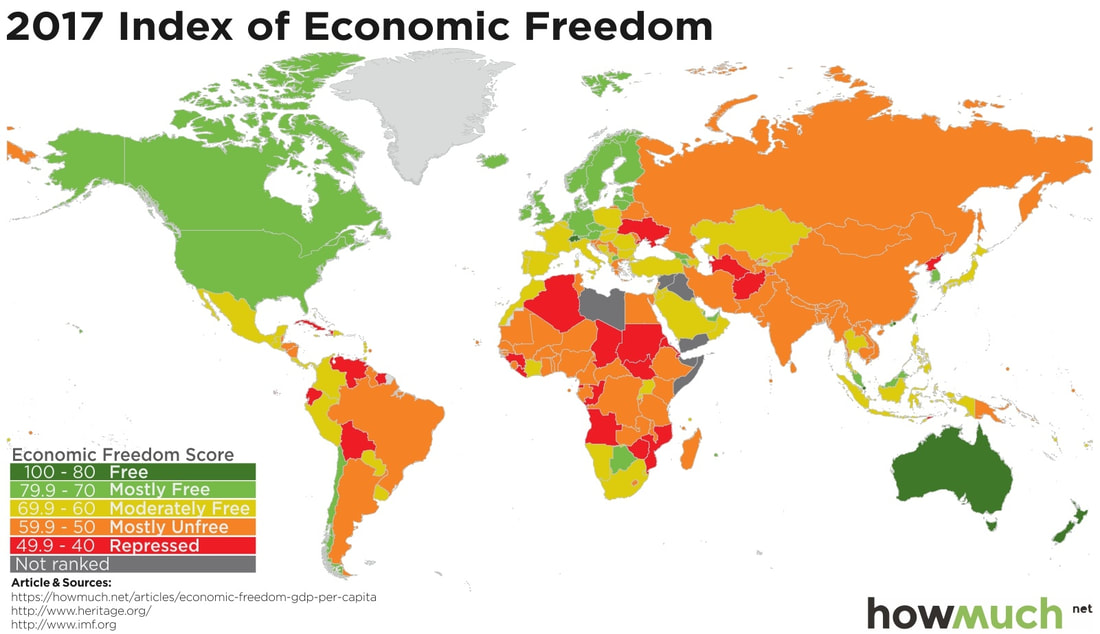
Different countries enact policies to promote different economic systems. The policies they choose in an effort to promote different systems represent what they value. If they are limited in the restrictions they place, they value freedom. If they provide lots of restrictions and safety nets, they value security and equality.

The seven values are Freedom, Efficiency, Innovation, Security, Predictability, Equality, and Equity.
Picture
Freedom is an individual's ability to make decisions. And I use individual loosely, as it can mean an individual business or corporation. If there is more government involvement, there is less freedom, so the more rules and laws there are the less freedom there is.
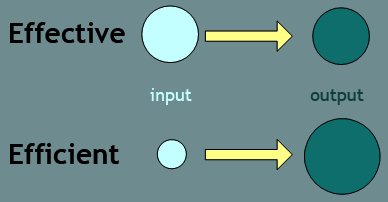
Efficiency is how well resources are used to accomplish something. If it costs less resources (time, money, effort) to complete than someone or something else, it can be said to be more efficient than others.
Picture
Picture
Innovation is a creative desire to produce new things. Innovation gives us new products and creates new wants that we didn't know we had before.

Picture
Picture
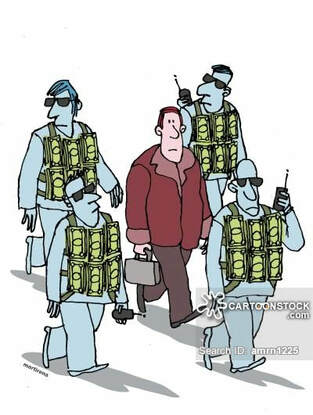
Security and predictability often go hand-in-hand. There is security when things are more predictable and there is a predictability when we feel secure.

​However, that doesn't mean they 
always go together. Living on a busy street can be very predictable but it's not always secure to have that many cars and people going by.

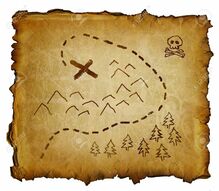
If you have a good job that you aren't worried about losing that is secure, but the job may not be predictable. Finding a map to treasure can be predictable, since it will tell you where all the dangers are, but the path may not be secure.


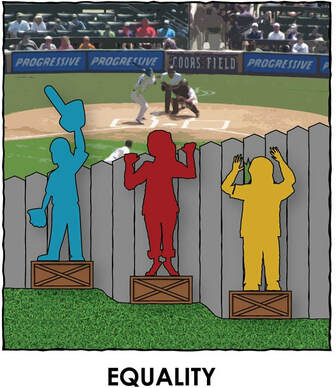
Equality is when everyone is gets or is given access to the same things. We all have equal access to working for one million dollars for example, but some of us might have an easier time doing so. If the government decided to give everyone the same brand of shoes, that would also be equal. But not all of us might need shoes or be able to wear the same brand, which brings us to...
Picture
Picture
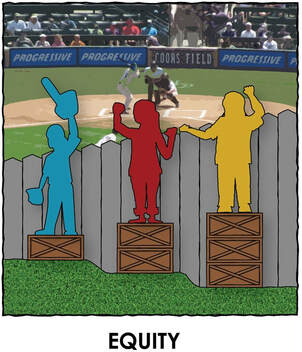
Equity is giving everyone what they need to be on a level playing field with others. For example, if you picture people who live different distances from school, it might be easier for some to get to school on time. If we give the closest person nothing since they don't need anything and the furthest person a bus pass, both get exactly what they need to make it to school at the same time.
Governments have to decide how to weigh those values to promote the economies they want. There are three main types.
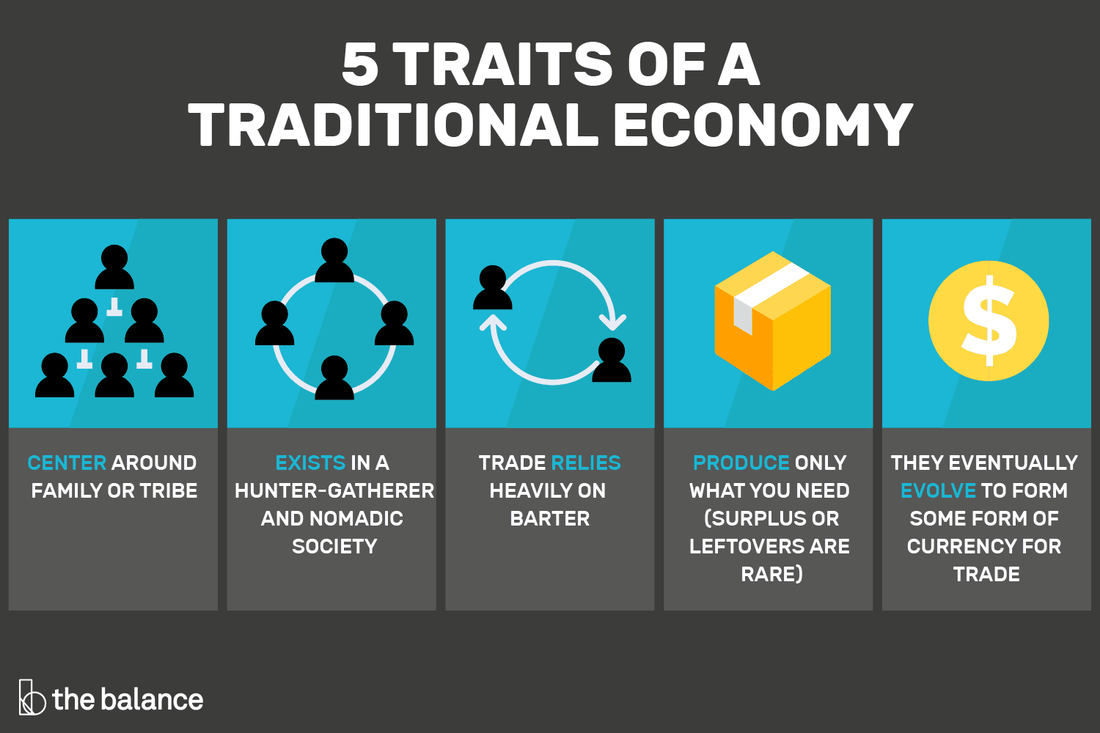
Traditional economies focus on completing tasks based on custom and ritual. These economies prefer to do things the way they always have. These economies tend to be seen when 

These economies tend to be secure and predictable, as you know your role and know what to expect in the economy.

​However, these economies discourage innovation and provide low opportunities for growth, leading to them being generally poorer.
Picture
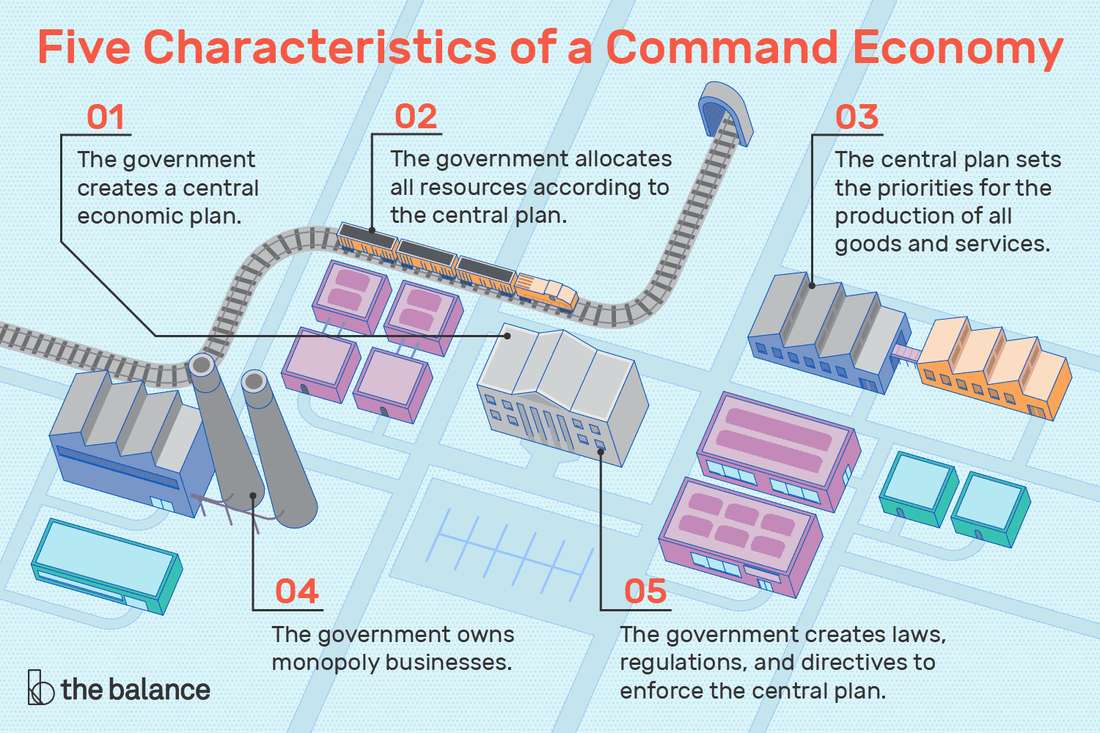
Command economies are designed to have governments make the decisions. These economies are top-down and often need to have large bureaucracies to function.

​Command economies, also known as centrally-planned economies, can be efficient as they react to changes quickly. They can also be used to promote equality or equity and you may have more security in a command economy as they tend to focus on getting people what they need.

Command economies can also be inefficient, since large bureaucracies are slow to react. They also ignore innovation and you lose a lot of freedom when governments make decisions.
Picture
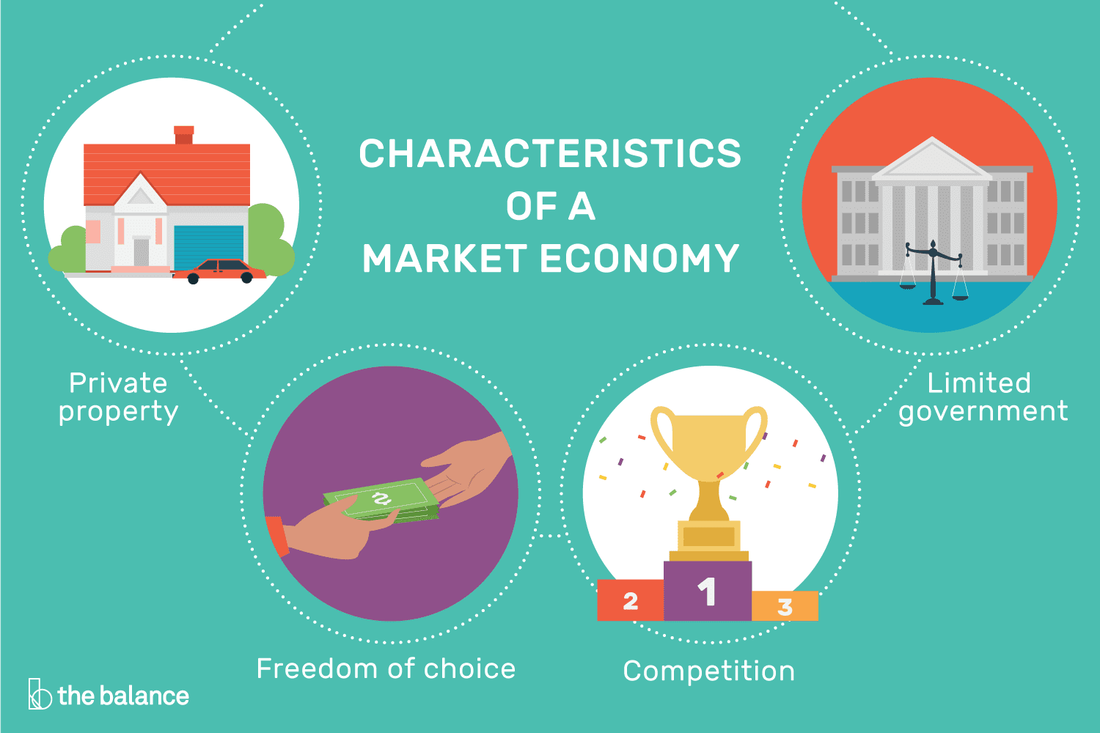
Market economies have individuals making the decisions. Government takes a very hands-off approach in a market economy.

In a market economy, individuals have lots of freedoms and since you can acquire more wants there are a variety of goods and services. A market economy can also be efficient, since individuals can each react on their own to changes.

On the other hand, market economies completely ignore equality and equity. Not everyone will be able to afford to satisfy their needs and wants and market economies don't help people to do so. This means there is little security as well. Furthermore, market economies have potential for big success but also big loss.
Picture
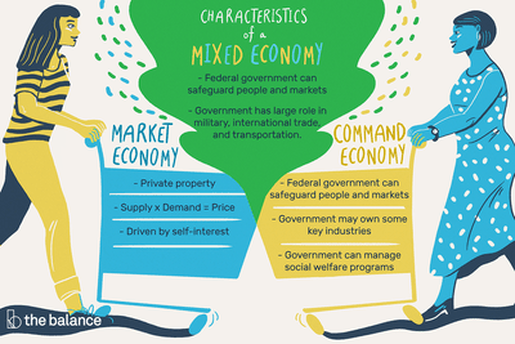
Most countries don't actually use a pure form of any of those economies, however. They all try to balance those values in different ways to maximize the values in ways they prefer. Many economies tend to be a mixture of different elements of each type. Mixed economies are put in place to promote the good qualities of as many values as possible. The USA is a mixed economy; it tends to prefer free market principles while ensuring there are some command elements to prevent disaster and provide safeguards for people.
Picture

The US Economy and the Pillars of Free Enterprise

The United States is considered a free-market country (even though it’s actually a mixed economy). But you can also say Free Enterprise or Laissez Faire. All those terms can be used to describe an economy that favors market principles.

In a free enterprise system, there are some guiding pillars that hold it up.
Picture
First is profit. Profit is our incentive for doing anything. We buy and sell in order to maximize our profit. If we can get away with selling things at a higher price, we will because we make more profit. Profit can also be personal or social. You build up goodwill and trust with friends and employers - those are economic decisions too!

Picture
The second is private property. The things we own we use to either ensure we can keep making more profit or to eventually sell for profit later. A house is someplace we rest before going back to work but we also hope to sell it later for an increased value. This gives us an incentive to care for our private property.

Picture
Third is voluntary exchange. We have the freedom to exchange goods and services with whomever we choose. We will therefore tend to do so with people where we can maximize our profit and opportunities.

Picture
Finally, the fourth pillar is competition. Competition drives prices because there are a scarce set of resources for our time and dollars to chase. Competition between buyers or consumers leads us to be willing to pay more so that we can acquire things as opposed to someone else. This drives prices up. However, sellers also compete with each other to lure us to purchase from them. This drives prices down. Sellers can also compete by offering more and different products to entice us, driving the market as well.

In all this, the US government plays a role as well. This is where the command elements present themselves.

Our government offers safety nets, public goods, and regulations.
Picture
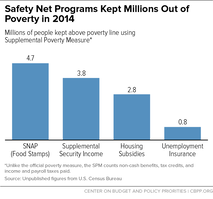
Safety nets are programs that help people in disadvantaged circumstances. People who don’t make enough to afford their basic needs for example can apply for government food stamps, cheaper housing, unemployment, disability, and so on. These programs help to smooth out the possible large failures of our market economy. These safety nets are paid for by taxes and are often considered entitlement programs because you are entitled to take them if you meet certain requirements.

Picture
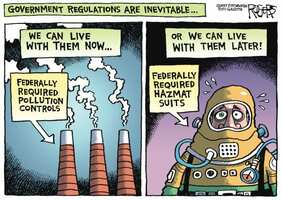
Our government also creates rules and regulations for businesses to operate under. Without them, businesses would seek to cut costs to maximize profits. Regulations can be workplace safety regulations, such as the requirement to wear a hard hat, environmental regulations, like rules on how and where companies can dump their waste, or general rules to ensure workplace stability, like minimum wage or equal opportunity hiring. Without these, companies would cut corners and put workers at risk to increase the money they make.

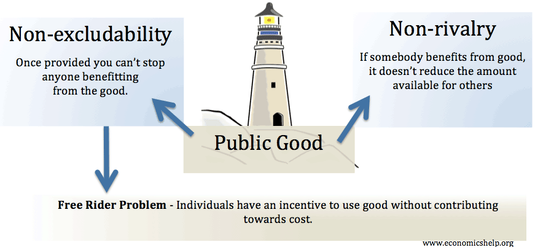
Public goods are any goods that would be troublesome to exclude non-payers and burdensome for a private company to take on. Public sidewalks, for example, would be a challenge for a company to maintain and keep in working order. They would also have an expensive time hiring security and ticket collectors if they sought to exclude people who didn’t pay to use them. Public goods are set out by the government to benefit us. In return, we pay a little in taxes to cover their maintenance and costs.
Picture
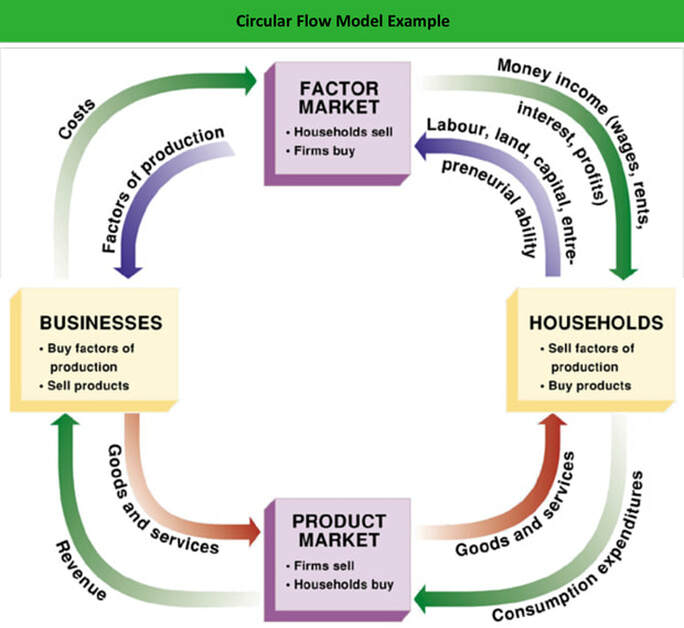
Taken all together, you can now trace the path an individual can take through the US economy. We do so through the circular flow model of the economy. Trace the path below on the diagram.
Picture
Powered by Create your own unique website with customizable templates.